ESG Framework – Components, Benefits, & Application

ESG is a framework for assessing a company’s environmental, social, and governance practices. It emerged as a response to growing concerns about sustainability, social responsibility, and corporate governance.
In the 21st century, environmental degradation, social inequality, and corporate scandals highlighted the need for businesses to operate more ethically and sustainably.
This framework was developed to evaluate how companies manage risks and opportunities related to environmental, social, and governance factors. Nowadays, it plays a crucial role in guiding businesses toward responsible practices while helping investors make informed decisions that align with long-term sustainability and ethical standards.
In this article, we will explore the ESG framework, its components, and their importance.
What is the ESG Framework?
ESG covers three core pillars: Environmental, Social, and Governance performance.
The ESG framework helps stakeholders understand how an organisation manages environmental, social, and governance risks and opportunities. It provides a structured way for companies to measure and report their impact.
Through ESG frameworks, businesses disclose data on sustainability practices, ethical standards, and governance policies.
These frameworks are developed by NGOs, stock exchanges, governments, and industry bodies to improve transparency and accountability.
To understand ESG frameworks better, here are the key aspects:
- It defines specific metrics and qualitative disclosures for reporting.
- Some ESG frameworks are voluntary, while others are mandatory by regulation.
- Widely recognised frameworks guide consistency and comparability in reporting.
- They help investors and stakeholders assess long-term sustainability and risk management.
Read More: ESG Reporting | Components, Benefits, and Its Process
What are the key Components of the ESG Framework?
Each component of ESG focuses on different aspects of sustainable and ethical practices. Together, they help evaluate a company’s impact and responsibilities.
Let us know the three key components of the ESG framework below:
1. Environmental:
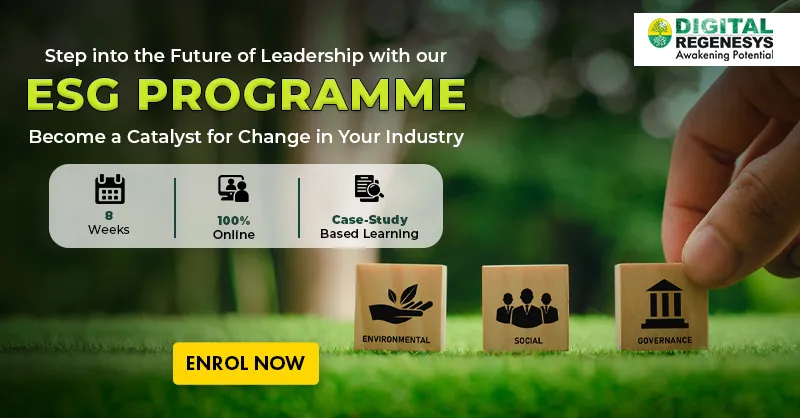
Focuses on how a company impacts the environment, including greenhouse gas emissions, natural resource management, and climate risk resilience. It aims to reduce environmental footprint and improve adaptation to climate change.
2. Social:
Examines how a company treats employees, communities, and stakeholders, covering fair wages, safety, and engagement. It also reviews supply chain practices to ensure ethical labour and environmental standards.
3. Governance:
Refers to leadership structure and corporate management, including shareholder rights and executive pay. It ensures transparency, accountability, and ethical decision-making through strong internal controls.
What is the Importance of the ESG Framework?
The ESG framework is essential for ethical and sustainable growth. It helps businesses address risks and create opportunities.
By focusing on ESG, companies benefit investors, society, and the environment in the following ways:
- For Companies: ESG guides sustainable practices and strengthens brand trust. It helps identify risks and growth opportunities.
- For Investors: ESG evaluates long-term stability and risk. It supports responsible, value-driven investment decisions.
- For Society: ESG promotes environmental protection and social fairness. It drives action on climate change and inequality.
Read: Best ESG Courses Online in South Africa | Get Details
How is the ESG Framework Used in Business?
The ESG framework helps businesses operate responsibly and sustainably.
It integrates environmental, social, and governance principles into decision-making. Companies use it to identify risks, track progress, and build trust with stakeholders.
Let us see how ESG is used in business below:
1. Implementation Process
Businesses start by conducting ESG assessments to identify strengths and gaps in their current practices. They then set measurable goals aligned with recognised frameworks such as the Global Reporting Initiative (GRI) or industry benchmarks. ESG principles are integrated into the overall business strategy and daily operations to ensure sustainable growth and long-term value creation.
2. Reporting and Metrics
Companies publish regular ESG reports to maintain transparency and inform stakeholders about progress, achievements, and areas for improvement. Standardised frameworks like GRI, SASB, and TCFD are used to ensure consistency and comparability. This structured reporting strengthens accountability and demonstrates commitment to sustainability.
3. Stakeholder Engagement
Effective stakeholder engagement is essential for aligning ESG initiatives with the expectations and values of organisations’ employees, customers, investors, and communities.
Regular communication and feedback help build trust and address concerns effectively. This collaborative approach enhances transparency and supports responsible, sustainable business practices.
ESG Framework in South Africa
ESG is gaining importance in South Africa as businesses increasingly focus on environmental issues such as renewable energy.
Social responsibility and strong governance practices are also becoming key priorities. Many South African businesses are aligning with global standards, such as the King IV Report on Corporate Governance, to strengthen their operations and impact.
Let us know more about the ESG framework in South Africa below:
Lead Sustainable Change With Real Skills
Build practical ESG, governance & sustainability leadership through case studies.
Explore Programme1. Local Context
South Africa is placing greater emphasis on renewable energy and sustainable business practices. This shift is influenced by local environmental challenges and global sustainability goals.
As adoption of ESG grows, key developments include:
- Alignment with the King IV Report on Corporate Governance, promoting transparency and accountability.
- Stronger governance practices that build investor and public trust.
- Increased adoption of ESG principles to address social and environmental issues.
- Contribution to broader global sustainability initiatives.
2. Business Benefits
Adopting ESG offers South African businesses stronger opportunities for growth and risk management. It improves competitiveness in both local and international markets.
Key business benefits include:
- Better access to global markets and sustainable funding.
- Attraction of ethical and impact-focused investors.
- Greater resilience against climate and economic risks.
- Improved long-term financial performance and reputation.
Also Read: what does ESG stand for
Learn the ESG Framework with Digital Regenesys
Advance your sustainability expertise with the ESG Leadership Programme by Digital Regenesys.
This certificate course builds practical knowledge of Environmental, Social, and Governance principles for modern business leaders. It combines strategic insight with hands-on application to help you implement ESG effectively.
With flexible learning and a globally recognised certification, you can strengthen your career in sustainability-focused roles.
Some of the key highlights of this course are:
- Industry-aligned curriculum covering ESG assessment, reporting, and compliance.
- Practical learning through real-world case studies and projects.
- Strategies to integrate ESG into business operations and leadership decisions.
- Insights into emerging trends like green finance and sustainable innovation.
- Globally recognised certification with career guidance and expert support.
Next ESG Leadership Batch Starts Soon
Join 500,000+ alumni leading ESG strategy in 24-week programme.
Enrol NowConclusion
The ESG framework plays a vital role in guiding businesses toward ethical, transparent, and sustainable practices.
By focusing on environmental, social, and governance pillars, organisations can manage risks, create long-term value, and build trust with investors and society. As ESG adoption grows globally and in South Africa, it continues to shape responsible business strategies and sustainable development.
The ESG Leadership Programme by Digital Regenesys equips professionals with practical ESG knowledge, implementation skills, and strategic insights. With flexible learning and a globally recognised certification, this course helps you lead sustainability initiatives confidently and advance your career in responsible leadership.
Visit Digital Regenesys and take the first step toward becoming a future-ready ESG leader.
Last Updated: 25 February 2026